Video course

 MITIntroductory
Introduction to Solid-State Chemistry
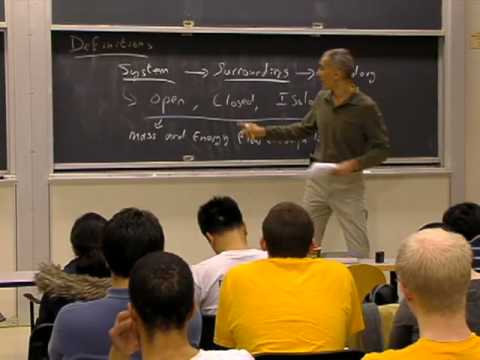
Sadoway's legendary chemistry of real materials — batteries included.
31h47 lec
MIT OpenCourseWare · official site
The movement that started it all. Every lecture, problem set, and exam from more than 2,500 MIT courses — published for the world, free forever.
Free, complete, and yours to keep — stream every lecture in our player or download the whole course.
MITIntroductorySadoway's legendary chemistry of real materials — batteries included.
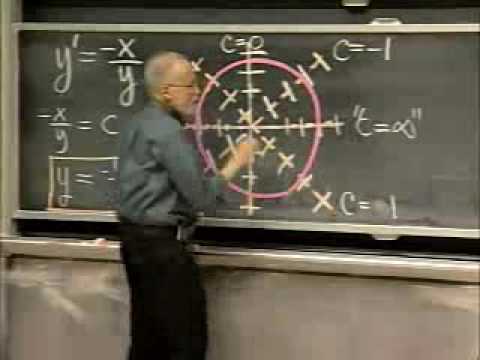
MITIntermediateThe most-watched mathematics course ever recorded.
MITIntermediateSorting, searching, hashing — the engine room of computer science.
MITIntermediateThe legendary Oppenheim lectures — Fourier, sampling, and everything after.
MITIntroductorySupply, demand, and the logic of markets — from MIT's Economics department.
MITIntroductoryThe gentlest possible on-ramp into computer science.
MITAdvancedStrang beyond linear algebra — the applied math behind simulation.
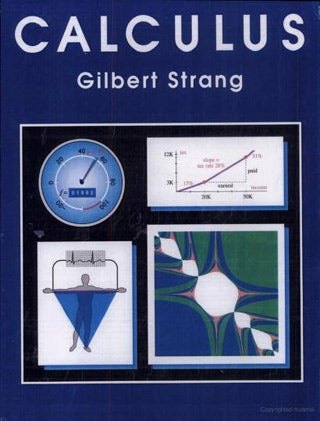
MITIntroductoryGilbert Strang's complete calculus textbook — the companion to his famous 18.01 lectures, free from MIT chapter by chapter.
MITAdvancedWhere 6.006 ends — amortization, randomness, and NP-completeness.
MITIntroductoryCalculus taught the way MIT teaches it to freshmen.
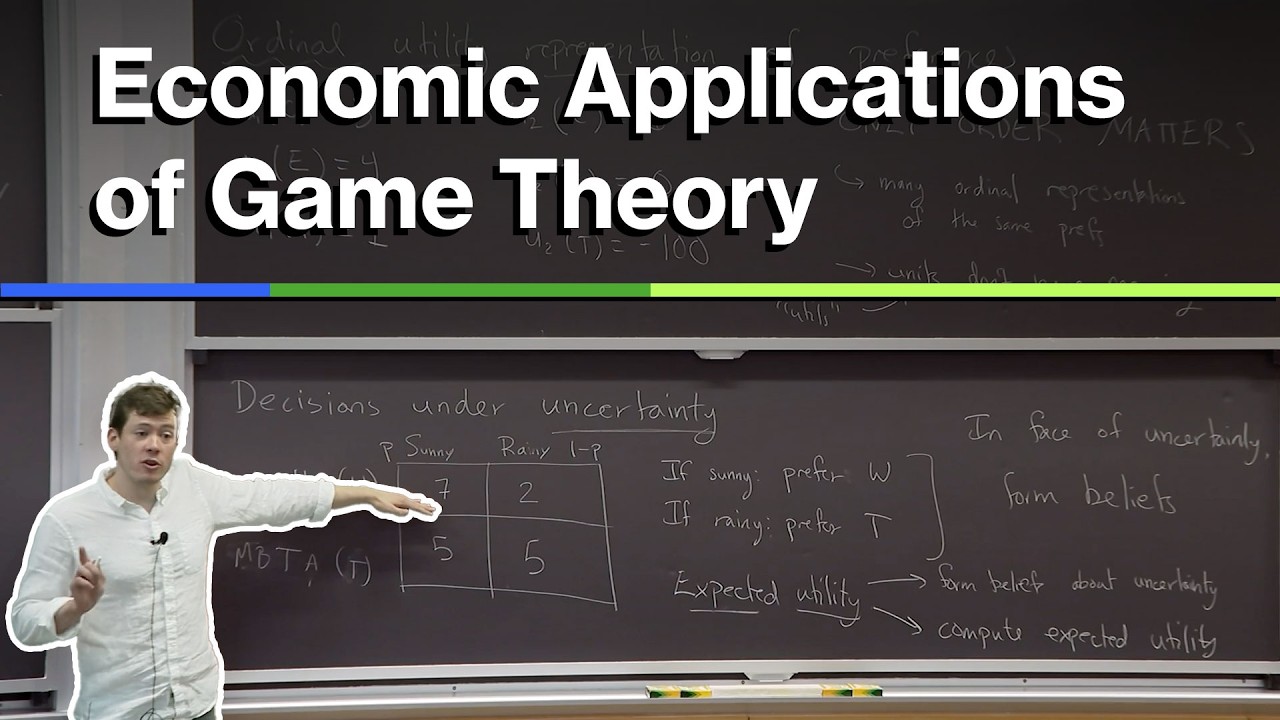
MITIntermediateMIT's newest game theory course — strategic thinking for economists, from dominance and Nash equilibrium to mechanism design.
MITIntroductoryThe chemistry of energy — MIT's foundational physical chemistry course.
MITAdvancedMake programs fast — cache hierarchies, concurrency, and the art of measurement.
MITAdvancedMIT's graduate deep learning course — from backpropagation foundations to transformers, diffusion models, and the research frontier.
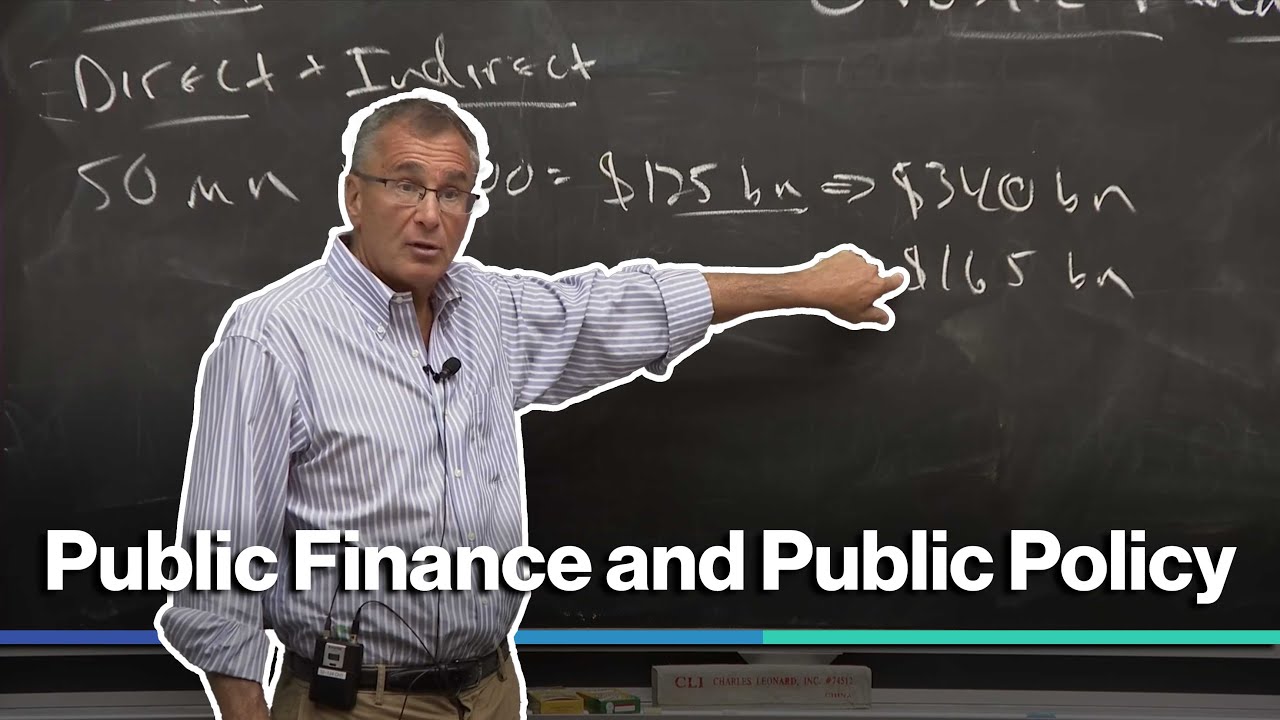
MITIntermediateWhat governments should tax, spend, and regulate — MIT's applied economics of the public sector, with real policy throughout.
MITIntermediateVectors, surfaces, and the geometry of higher dimensions.
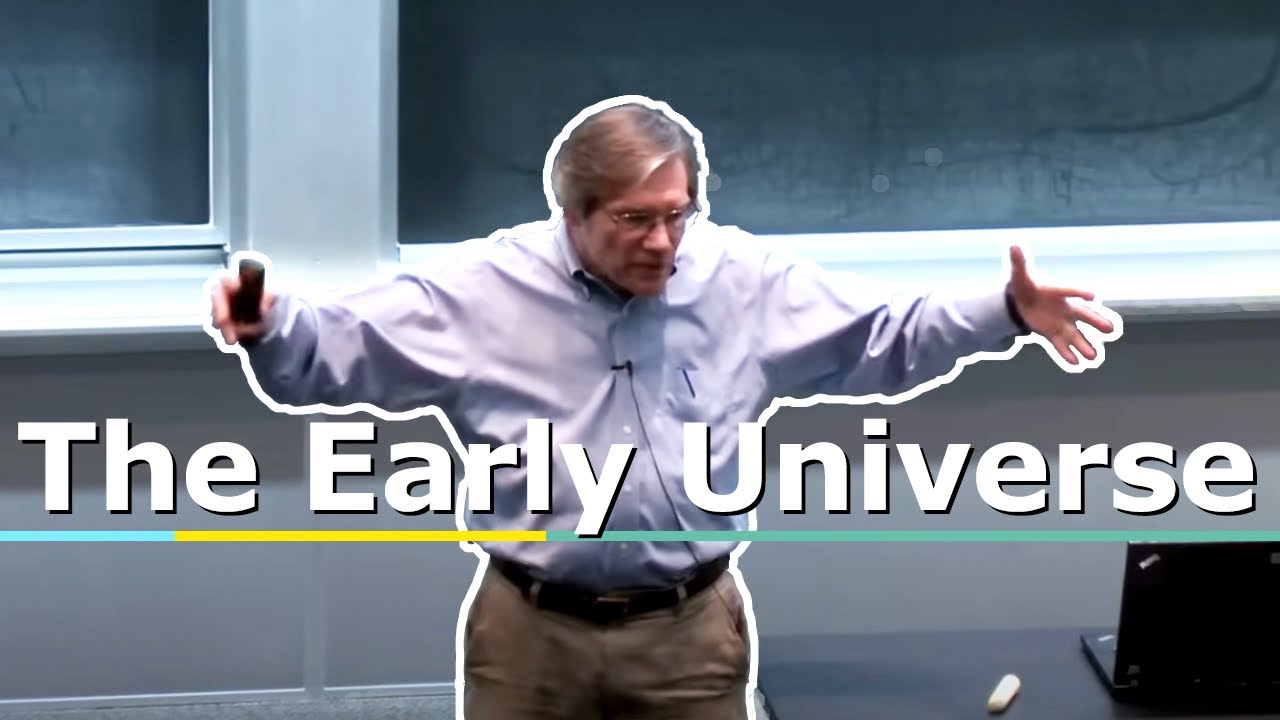
MITAdvancedCosmology's first three minutes — taught by the man who named inflation.
MITIntroductoryMIT's newest first course — Python for absolute beginners.
MITIntroductoryMolecular biology the MIT way — from DNA to developing embryos.
MITIntermediateMathematical statistics done properly — estimation, testing, and asymptotics.
MITIntermediateStatistics with social science questions attached — MIT's data analysis course for economics.
MITIntroductoryFreshman chemistry taught through the lens of real research.
MITIntermediateThe mathematics of everything that changes — MIT's bridge course.
MITIntermediateThe mathematics of real markets — probability, linear algebra, and optimization, aimed straight at modern finance.
MITAdvancedMIT Sloan's canonical finance course — valuation to portfolio theory.
MITIntermediateMIT's bridge from computation to proof — induction, graphs, counting, and probability, with the discrete structures CS runs on.
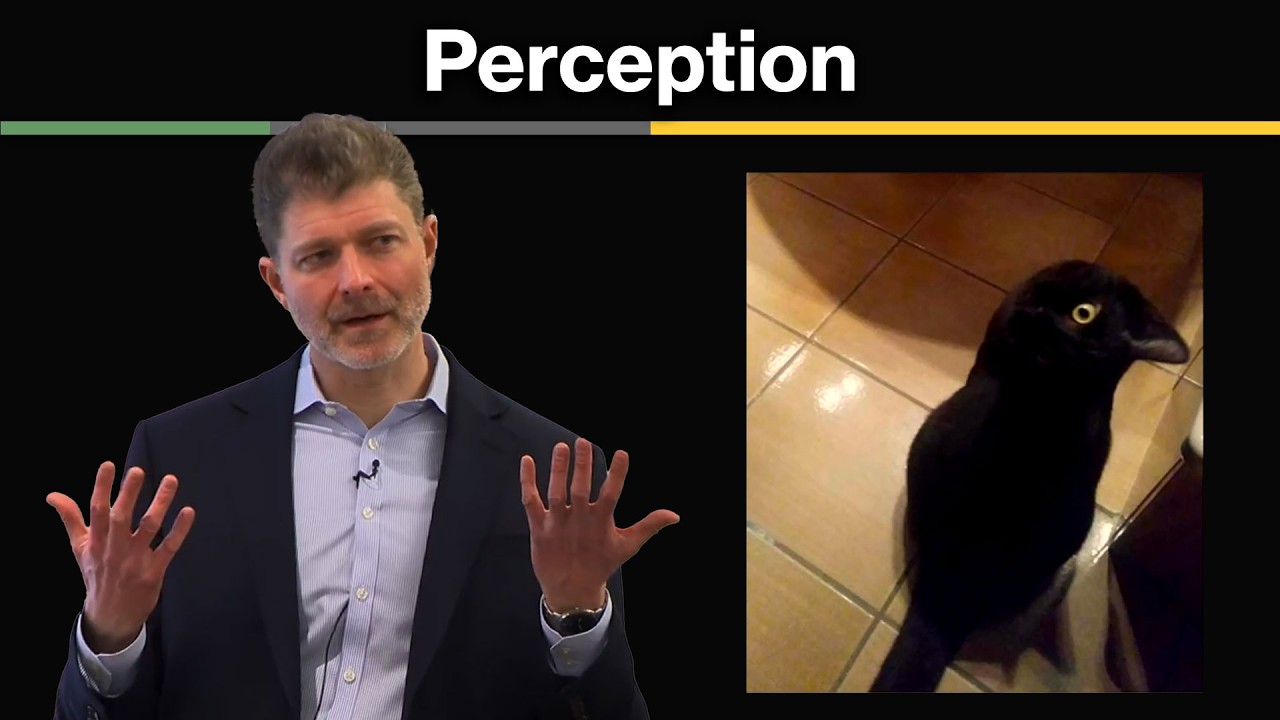
MITIntermediateHow the brain builds a world from light and sound — MIT Brain and Cognitive Sciences on the machinery of perception.
MITIntroductoryPatrick Winston's legendary AI course — how to think about representing knowledge.
MITIntermediateThe clearest probability course on earth, taught by its textbook's author.
MITIntroductoryMIT's studio course on designing games — mechanics, balance, prototyping, and playtesting, taught by building real games.
MITIntroductoryProofs, graphs, and counting — discrete math as a contact sport.
MITIntroductoryHow the mind works — the science, not the pop version.
MITIntroductoryData analytics taught through real, messy, high-stakes cases.
MITAdvancedHow to build systems that survive failure — from the masters.
MITAdvancedWhat makes us human? An fMRI tour of the mind's specializations.
MITIntroductoryMIT's OCW Scholar mechanics course — a complete first physics semester, built for self-study.
MITIntroductoryHerbert Gross's beloved 1970s refresher — vectors, partial derivatives, and multiple integrals, humanely taught.
MITIntroductoryFrom Python basics to stochastic thinking and machine learning.
MITIntroductoryThe beloved sequel to MIT's intro CS course — graphs, stochastic thinking, optimization, and statistics, taught through Python.
MITIntroductoryStrang's short course on the big picture of calculus — derivatives in five minutes, truly.
MITIntroductoryTwo thousand years of Chinese history in one MIT course — from the Qin unification to the last emperors, taught with primary sources.